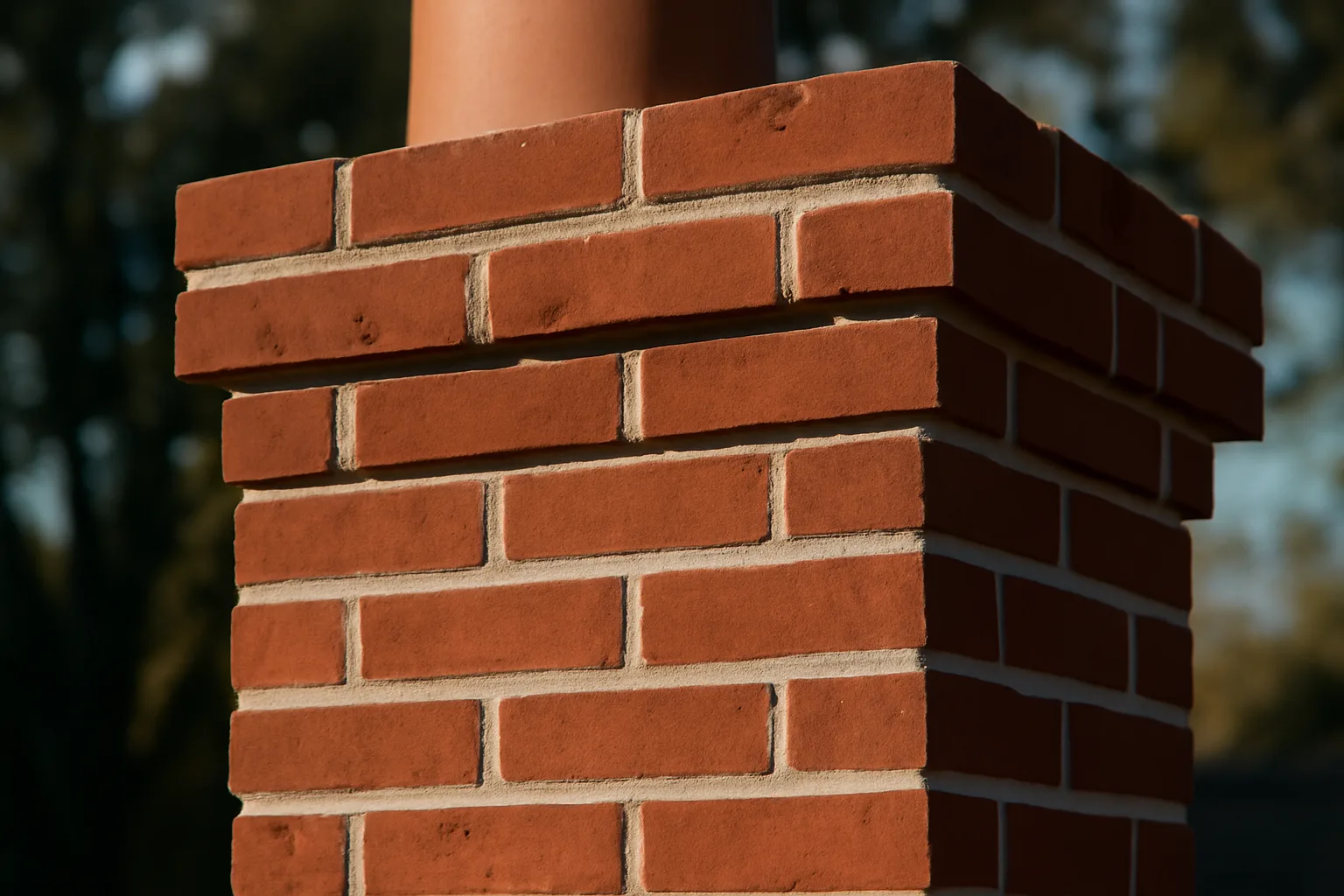
Many older Naperville chimneys have liners that have cracked, shifted, or never met current code, which is why relining comes up so often after an inspection. Our relining matches the liner type and diameter to the appliance, installs it insulated and code-compliant, and documents the finished system. The damp air near the area waterfront accelerates corrosion inside an unlined or poorly lined Naperville flue. We match the liner material to your appliance and your local conditions, so it lasts rather than corroding early. Get us at 447-212-2755 for stainless and cast-in-place liner installation.
- Camera-verified need
- UL-listed stainless liners
- Flexible and cast-in-place
- Insulated and code-compliant
- Appliance-sized for gas or wood
The Case For Keeping This In Check the Local Way
The liner is the barrier that contains the heat of the fire within the flue. We install stainless flexible or cast-in-place based on the chimney, insulated to code either way. You get a flue that is provably safe to use again, with footage of the finished liner top to bottom. It is a small thing that says everything about the job.
Season after season, the weather works on a Naperville chimney whether anyone is watching or not. Water finds the crown, the cap, and the flashing first, then works its way deeper every season. By the time a stain appears on the ceiling, the water has usually been working inside the stack for years. Staying ahead of the water is the single best thing a Naperville homeowner can do for the chimney.
The liner is the inner wall of the flue that keeps a fire safely contained. Relining replaces cracked clay tile that can no longer contain a fire, with a continuous stainless liner. If your existing liner is sound, we will tell you, because relining is a real expense we only recommend when the flue requires it. That is just how we run every Naperville service call.
What Goes Into It Start To Finish Done Once
The liner is what stands between the fire and the surrounding structure. A new liner is sized to the appliance, insulated to hold draft temperature, and verified to vent correctly. No upselling a cast-in-place liner when a flexible stainless does the job; the spec matches your chimney, not our margin. We document it so you can see the work was done properly.
We keep it methodical, which is exactly what a chimney job should be. You reach a person who understands chimneys, we book a time that suits you, and we come ready to work. The living space gets protected, the work gets done and documented, and you get a clear walk-through at the end. We keep the steps clear so you are never guessing what comes next.
The liner is the flue within the flue, the smooth inner channel that contains heat and routes gases out. We match liner type and diameter to the appliance, install it insulated and code-compliant, and document it. Relining is also what makes appliance conversions safe, since a gas insert or stove needs a correctly sized liner. We would rather do it right than do it fast.
The Stacks In These Older Homes Without the Hassle in Naperville
We have climbed enough Naperville roofs to know the housing stock cold. The chimneys here tend to be old, hard-working, and overdue for attention. Being local means we already understand where water tends to get in and which components fail first. We have repaired enough local stacks to know their habits before we climb up.
The liner is the barrier that contains the heat of the fire within the flue. A continuous stainless liner closes the joints that opened between old clay tiles, top to bottom. If your existing liner is sound, we will tell you, because relining is a real expense we only recommend when the flue requires it. We hold the work to that standard whether anyone is watching or not.
What Could Go Wrong Without Getting It Right the Way It Should Be
The point of every service we offer is to keep a fire contained and the air in your home safe. The flue, liner, cap, and crown each block a specific hazard, so one weak link puts the whole system at risk. Every winter brings preventable chimney fires, and prevention is just maintenance done on time. Prevention here is just maintenance done before the season turns dangerous.
Chimney work runs on trust precisely because the customer cannot check it alone. The trade is full of coupon-bait pricing, door-to-door pressure, and outfits that flag a four-thousand-dollar reline on a flue that needs nothing. We would rather you see the problem yourself than take our word for it. We measure success by the call you make next year, not the invoice from today.
A liner is the smooth inner channel that makes a flue safe to use. A new liner is sized to the appliance, insulated to hold draft temperature, and verified to vent correctly. We size the liner correctly the first time, because an oversized or undersized liner causes its own problems. That attention to detail is what the photos end up proving.
Why one crew handles it all
A chimney is a system, so chimney liner installation rarely stands alone — it connects to chimney sweeping, pre-sale chimney inspection, chimney leak repair, flue cap, crown sealing, and our crew handles all of it under one roof. We bring the same service to and everywhere else across the area.
If you searched for chimney sweep near me, Whichever you need, a real person takes the call, and you are already ahead of the guesswork. Call 447-212-2755 any time, read Flashing, Not the Flue: Naperville Chimney Leaks Explained on our blog, or head back to our Naperville home page.